T32 training program in Molecular and Systems Toxicology (NIEHS T32 ES029074) is a multi-disciplinary research mentorship program centered on training in systems toxicology including genomics/epigenetics, proteomics, and metabolomics as well as molecular approaches to investigate underlying mechanisms of toxicity. This MST training program will be supported by 16 faculty members, from the University of Colorado’s Schools of Pharmacy, Medicine and Public Health and also includes faculty from the nearby National Jewish Health, all of whom conduct systems toxicology research and will serve as mentors. Systems toxicology approaches commonly utilized by our training faculty include genomics/epigenetics, proteomics, redox proteomics, microbiome, metabolomics, biostatistical genetics, and bioinformatics.
This multi-disciplinary research T32 program will support four predoctoral trainees per year and emphasizes systems toxicology research. Graduate students in the program obtain degrees through the mentioned disciplines. Research opportunities for predoctoral trainees will involve systems-based approaches to investigate a broad range of toxicological outcomes, including environmental lung disease, carcinogenesis, neurodegenerative disease, nanotoxicology, and immune responses to environmental xenobiotics, drugs and therapies. Students will be recruited from the Toxicology and Pharmaceutical Sciences Graduate Programs, and accepted each year, into the MST-T32 program. T32 trainees are supported for 2 years, post-comps. This University of Colorado Anschutz Medical Campus MST T32 training program will develop predoctoral trainees into independent and successful toxicologists with expertise in systems toxicology.
Applications will be solicited in May of each year. Applicants must have successfully passed their comprehensive exam and currently working on research related to molecular and systems toxicology. Students from the Toxicology and Pharmaceutical Sciences PhD programs are eligible.

Robert Canfield
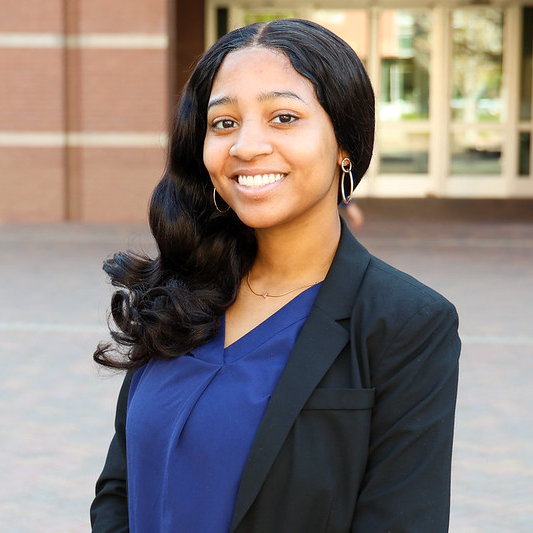
Zaria Jackson
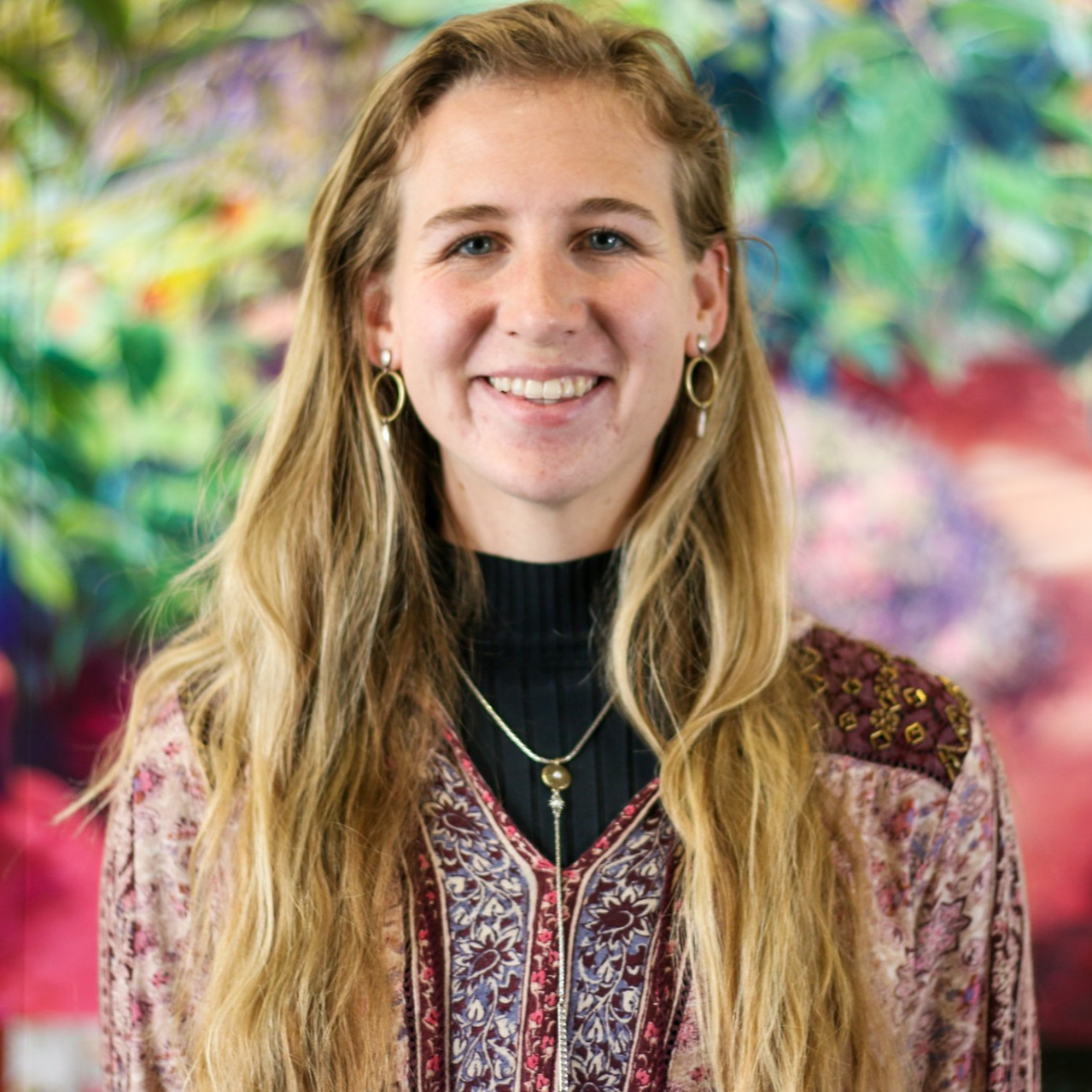
Emily Mitchem
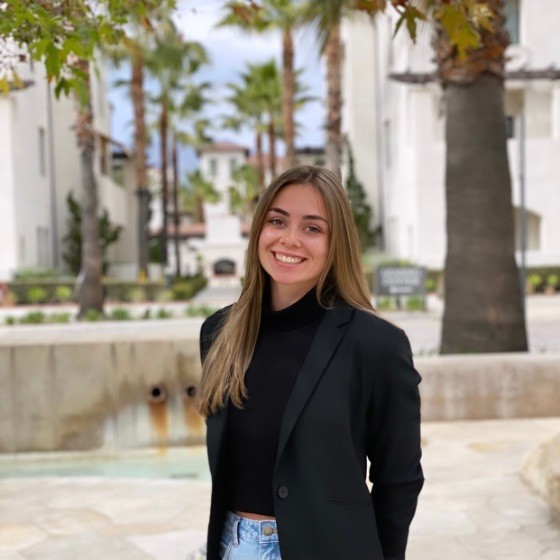
Taylor Lehner
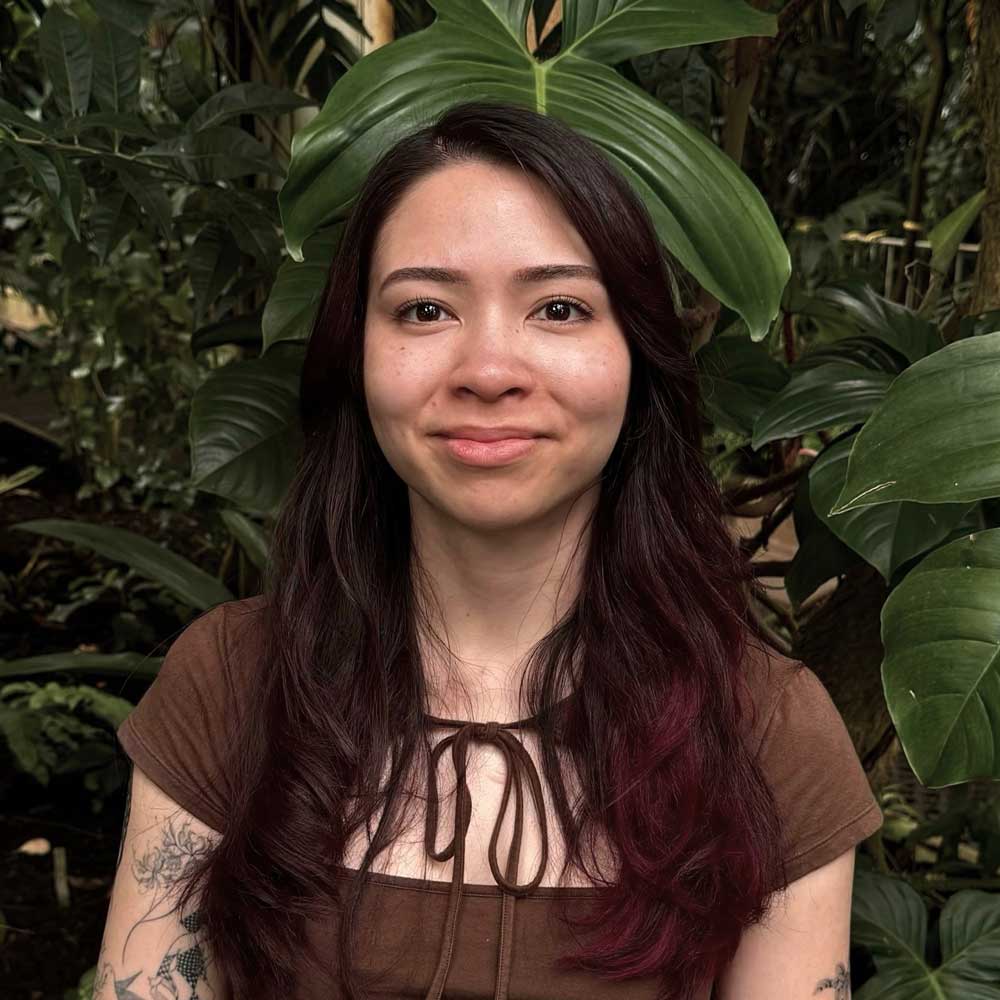
Chanapa Mann

Jon Woodward
Colin Anderson – currently a Postdoctoral Research Fellow at the Buck Institute for Research on Aging
Dustin Brown – currently a Molecular Toxicologist at the Food and Drug Administration
Angela Cruz-Hernandez – currently a Senior Scientist in Product Safety at L’Oreal
Michaela Hvizdak
Kendra Prutton – currently a Science Communications and Education Manager at International Society for Stem Cell Research
Angela Reinert
Keegan Rogers – currently a Health Scientist at Stantec Chemrisk
Brandon Sonn – currently a Medical Science Liaison and Precision Medicine Researcher at Strata Oncology
Shannon Twardy- currently on an F31 in Dr. Rebecca McCullough's Laboratory at CU Anschutz
Rajesh Agarwal
Cancer/Natural Products
Alison Bauer
Environmental Lung Disease
Jared Brown
Immunotoxicology/Nano
Shaodong Dai
Metals/Autoimmunity
Andrew Fontenot
Pulmonary/Microbiome
Kris Fritz
Metabolic Syndrome/Ethanol
Li Li
Beryllium Disease
Lisa Maier
Environmental Lung Disease
Manisha Patel
Neurotoxicology
Vanessa Phelan
Microbiome/Lung
Nichole Reisdorph
Metabolomics/Asthma
James Roede
Pesticides/Neurotoxicology
Laura Saba
Bioinformatics/Statistics
David Schwartz
Environmental Lung Disease
Carl White
Lung Disease/Chemical Warfare
Ivana Yang
Epigenomics/Asthma