T32 training program in Molecular and Systems Toxicology

T32 training program in Molecular and Systems Toxicology (NIEHS T32 ES029074) is a multi-disciplinary research mentorship program centered on training in systems toxicology including genomics/epigenetics, proteomics, and metabolomics as well as molecular approaches to investigate underlying mechanisms of toxicity. This MST training program will be supported by 16 faculty members, from the University of Colorado’s Schools of Pharmacy, Medicine and Public Health and also includes faculty from the nearby National Jewish Health, all of whom conduct systems toxicology research and will serve as mentors. Systems toxicology approaches commonly utilized by our training faculty include genomics/epigenetics, proteomics, redox proteomics, microbiome, metabolomics, biostatistical genetics, and bioinformatics.

This multi-disciplinary research T32 program will support four predoctoral trainees per year and emphasizes systems toxicology research. Graduate students in the program obtain degrees through the mentioned disciplines. Research opportunities for predoctoral trainees will involve systems-based approaches to investigate a broad range of toxicological outcomes, including environmental lung disease, carcinogenesis, neurodegenerative disease, nanotoxicology, and immune responses to environmental xenobiotics, drugs and therapies. Students will be recruited from the Toxicology and Pharmaceutical Sciences Graduate Programs, and accepted each year, into the MST-T32 program. T32 trainees are supported for 2 years, post-comps. This University of Colorado Anschutz Medical Campus MST T32 training program will develop predoctoral trainees into independent and successful toxicologists with expertise in systems toxicology.

Applications will be solicited in May of each year. Applicants must have successfully passed their comprehensive exam and currently working on research related to molecular and systems toxicology. Students from the Toxicology and Pharmaceutical Sciences PhD programs are eligible.

niehs-logo

Robert headshot

Robert Canfield

Robert Canfield joined the pharmaceutical sciences PhD program in the fall of 2022 and joined the lab of Dr. Jared Brown. Robert’s research focuses on investigating the use of the antioxidant drug Idebenone in a model of nitrogen mustard-induced lung damage. His thesis work is mainly focused on optimizing the drug dosing and formulation of Idebenone to reduce the toxicity of nitrogen mustard in cell and animal models. He aims to expand the understanding of which compounds may be useful in reducing lung damage after nitrogen mustard exposure. 

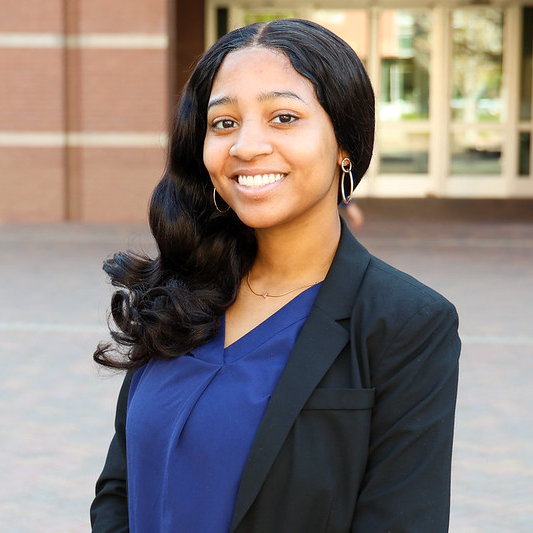
Zaria headshot

Zaria Jackson

Zaria Jackson joined the Toxicology PhD program at the University of Colorado, Anschutz Medical Campus in the Fall of 2024 and joined the lab of Dr. James Roede in 2025. Her current research focuses on characterizing the thiol redox interactions of lysine acetylation during Down syndrome neurodevelopment. Specifically, her thesis work investigates how thiol reactive toxicants can modulate acetylated lysine residues and further impair cognition, a universal and incompletely understood comorbidity with the Down syndrome (DS) population. She aims to improve research surrounding gene-by-environment interactions through mechanistic investigation of toxicant exposure during neurodevelopment. Through comprehensive examination of neuronal differentiation, thiol redox homeostasis, and metabolic function, she aims to further understand the interplay between genetic pathology and environmental toxicants to novel insight into DS cognition and neurogenesis. 

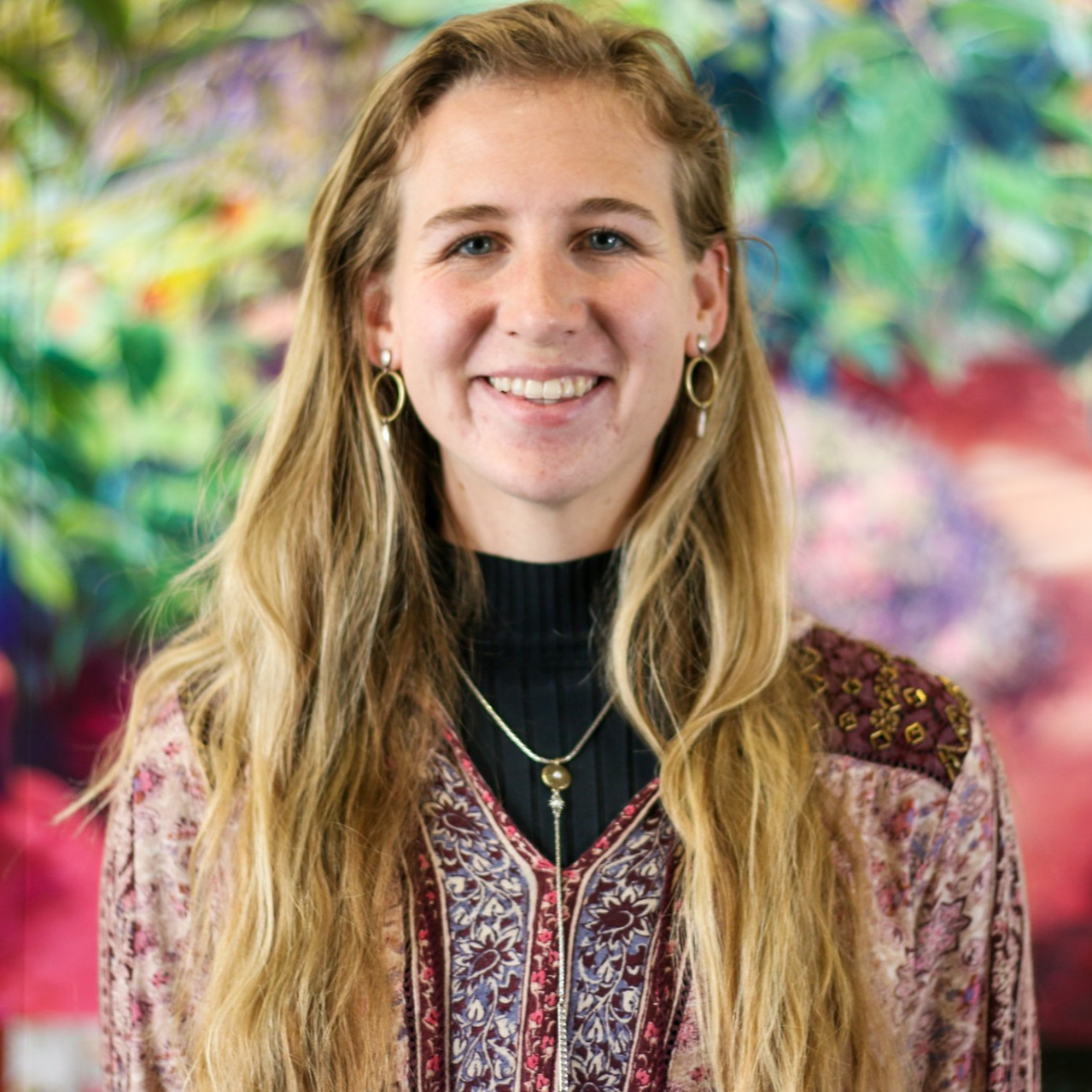
Emily Mitchem headshot

Emily Mitchem

Emily Mitchem is a PhD candidate in the Toxicology program at University of Colorado, Anschutz Medical Campus, which she joined in the Fall of 2023. Emily joined the Fritz lab in 2024 where she researches metabolic and redox dysregulation in Alcohol-associated Liver Disease. She focuses on protein post-translational modifications on cysteine and lysine residues, and mechanisms of protein regulation through lysine deacetylation by sirtuins. Through investigation of the hepatoprotective role of sirtuin 1 activation, her aim is to further the understanding of early progression of Alcohol-associated Liver Disease and identify diagnostic and therapeutic targets.

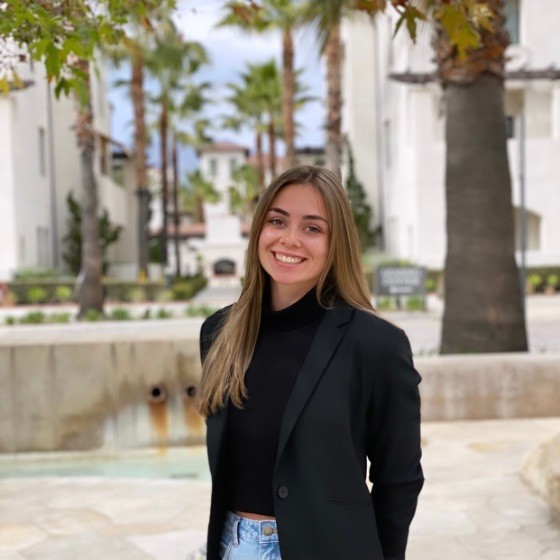
Taylor Lehner headshot

Taylor Lehner

Taylor Lehner is a PhD candidate in the Toxicology program at the University of Colorado Anschutz Medical Campus, which she joined in the Fall of 2023. Taylor joined the McCullough Lab in 2024, where she investigates how alcohol disrupts gut-brain communication through GLP-1 signaling and the vagus nerve. Her research focuses on defining the mechanisms by which ethanol impairs enteroendocrine cell function, vagal sensory neuron signaling, and neural circuits that regulate alcohol-seeking behavior. Through this work, she aims to advance the understanding of Alcohol Use Disorder and identify novel therapeutic targets within the gut-brain axis. 

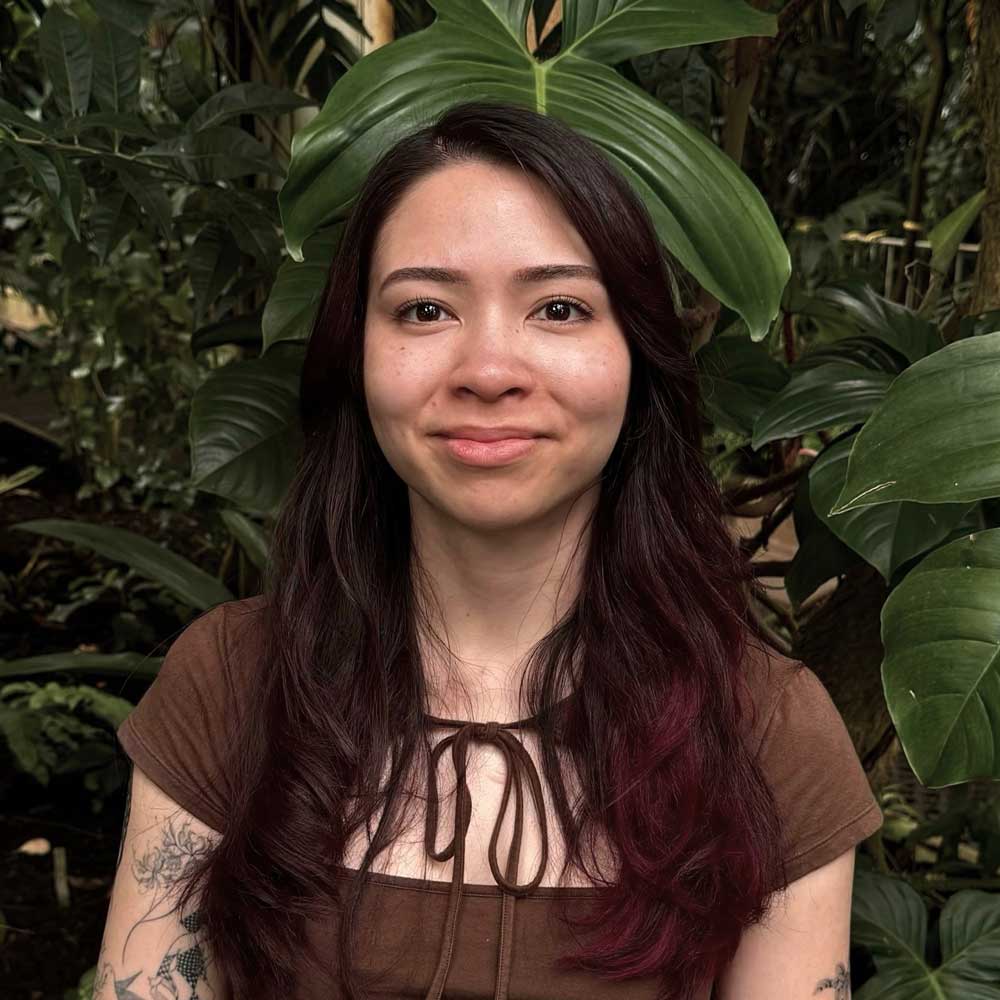
Chanapa Mann headshot

Chanapa Mann

Chanapa Mann joined the Toxicology PhD program at the University of Colorado, Anschutz Medical Campus in the Fall of 2023 and joined the lab of Dr. Manisha Patel in 2024. Her current research focuses on the molecular mechanisms underlying heat-inducible seizure sensitivity in Dravet Syndrome (DS), a severe developmental and epileptic encephalopathy. Specifically, she aims to elucidate how hyperthermic challenge can exacerbate inherent bioenergetic deficits in DS which may predispose neurons to seizure initiation. Given that rising global temperatures have been increasingly associated with elevated hyperthermic seizure risk, genetically vulnerable populations, such as individuals with DS, will be disproportionately impacted. A better understanding of how metabolic pathways critical for neuronal function are altered in the context of hyperthermic seizures will be foundational to the development of novel therapeutic strategies that consider the multifacetedness of gene-environment interactions.

Jon Woodward headshot

Jon Woodward

Jon Woodward joined the Toxicology PhD program at the University of Colorado, Anschutz Medical Campus in the Fall of 2022 and joined the lab of Dr. Rebecca McCullough in 2023. Jon’s research focuses on characterizing novel mechanisms of Per- and Polyfluoroalkyl Substances (PFAS) that drive early stages of hepatic steatosis. Specifically, his thesis work investigates the interactions between prevalent next-generation PFAS compounds and Sirtuins, a group of proteins that are involved with a myriad of cellular processes, including lipid metabolism. He aims to enhance knowledge regarding how PFAS compounds interact and inhibit Sirtuins, helping to explain current gaps in our understanding of PFAS-driven lipid accumulation in hepatocytes. He hopes that this work may highlight novel targets leading to the development of interventional strategies to improve exposure outcomes in humans while also informing future regulatory policies for PFAS use and exposure in the United States.
Sarah Asby

Colin Anderson – currently a Postdoctoral Research Fellow at the Buck Institute for Research on Aging

Dustin Brown – currently a Molecular Toxicologist at the Food and Drug Administration

Angela Cruz-Hernandez – currently a Senior Scientist in Product Safety at L’Oreal

Michaela Hvizdak

Kendra Prutton – currently a Science Communications and Education Manager at International Society for Stem Cell Research

Angela Reinert

Keegan Rogers – currently a Health Scientist at Stantec Chemrisk

Brandon Sonn – currently a Medical Science Liaison and Precision Medicine Researcher at Strata Oncology

Shannon Twardy- currently on an F31 in Dr. Rebecca McCullough's Laboratory at CU Anschutz

Rajesh Agarwal
Cancer/Natural Products

Alison Bauer
Environmental Lung Disease

Jared Brown
Immunotoxicology/Nano

Shaodong Dai
Metals/Autoimmunity

Andrew Fontenot
Pulmonary/Microbiome

Kris Fritz
Metabolic Syndrome/Ethanol

Li Li
Beryllium Disease

Lisa Maier
Environmental Lung Disease

Manisha Patel
Neurotoxicology

Vanessa Phelan
Microbiome/Lung

Nichole Reisdorph
Metabolomics/Asthma

James Roede
Pesticides/Neurotoxicology

Laura Saba
Bioinformatics/Statistics

David Schwartz
Environmental Lung Disease

Carl White
Lung Disease/Chemical Warfare

Ivana Yang
Epigenomics/Asthma
ivana-yang

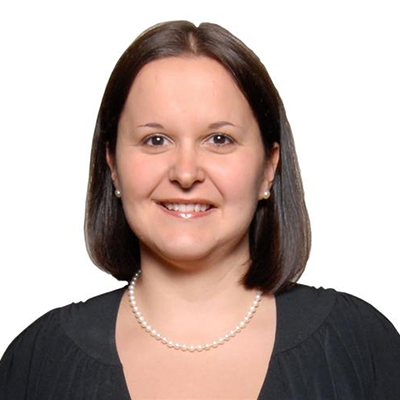
Ivana Yang PhD

Associate Professor
  • Biomedicine (SOM)

Alt Email Address:yangi@njhealth.org

Primary Phone:303-724-6449

Mailing Address:
  • CU Anschutz

Research Complex II

12700 East 19th Avenue

Aurora, CO 80045

CMS Login