

At CU Pharmacy, we’re training scientists who make an impact. Our doctoral program in pharmaceutical sciences is focused on solving problems. In particular, the program covers the formulation, synthesis, manufacturing, development, stability, biophysical analysis, characterization, delivery, and biodistribution of small molecules and biopharmaceutical agents.
Our goals are to provide the best training for students interested in pursuing careers in biopharmaceutical drug development; conduct high-quality research relevant to pharmaceutical biotechnology; offer innovative educational programs; and to support the biopharmaceutical industry, especially in Colorado.
Here, you’ll have access to a wide range of researchers and research equipment; cross-training with chemical engineers; essential non-scientific training in regulatory affairs, business topics and pharmacoeconomics; experience with real world compounds and research and development problems; and interaction with industry scientists.
We have a strong track record of setting our students up for success. Graduates of our program have advanced into successful careers as senior scientists in the pharmaceutical industry and academia. We’re here to make sure you have the training you need to pursue a career in drug and biopharmaceutical discovery, development or clinical optimization.
As part of the CU Anschutz Graduate School, all PhD students in good academic standing are guaranteed financial support.
All regular full-time departmental faculty in the Department of Pharmaceutical Sciences are formal members of the pharmaceutical sciences graduate program and can take students into their laboratories if appropriate.
On average, students in this program earn their PhDs in 5.5 years.
Applications for all doctoral programs are submitted electronically through the Graduate School at the University of Colorado Anschutz Medical Campus. After signing up for an account, select 'PhD' under the 'Academic Interests' menu and scroll down to 'Skaggs School of Pharmacy and Pharmaceutical Sciences' and select "PhD in Pharmaceutical Sciences."
Application requirements are:
Additionally:
Applications for Fall 2027 open September 1, 2026, and close December 1, 2026. Applications will not be reviewed until all required materials have been received.
Admission to the program includes financial support via a stipend awarded on a 12-month basis. Based on the rules of the CU Anschutz Graduate School, all PhD students in good academic standing are guaranteed financial support.
Although a priority of the School of Pharmacy is to provide financial support to our graduate students, payment of stipend, tuition and any fees by the School of Pharmacy or by grants, contracts or gifts to the School of Pharmacy faculty is contingent upon satisfactory academic progress (as defined by the graduate school’s Pharmaceutical Sciences Graduate Student Handbook) and completion of required teaching duties, core courses, research rotations, seminars, and examinations (as listed on the progress report form). We also reserve the right to review and adjust our funding policies at any time. All students are expected to work full-time toward program requirements for 12 months of the year.
| PHSC 7310 | Fundamentals of Pharmaceutical Sciences | 3 credits |
| PHSC 7320 | Physical Pharmacy and Pharmaceutical Sciences | 3 credits |
| PHSC 7400 | Ethical Issues in Toxicology and Pharmaceutical Sciences | 1 credit |
| PHSC 7650 | Research Rotation in Pharmaceutical Sciences (two required) | 1 credit |
| PHSC 7568 | Seminar in Pharmaceutical Sciences (each semester) | 1 credit |
| PHSC 7330 | Development of Drugs and Biologics | 2 credits |
| PHSC 8990 | Doctoral Thesis | ≥30 credits |
| PHSC 7608 | Molecular Interactions | 3 credits |
| PHSC 7609 | Biophysics and Spectroscopy | 2 credits |
| PHSC 7651/CHEN 5838 | Pharmaceutical Biotechnology | 3 credits |
| PHSC 7345 | Nanotechnology and Drug Delivery | 2 credits |
| PHSC 7353 | Protein Formulation | 2 credits |
| PHSC 7660 | Liposome-based Drug Delivery | 2 credits |
| PHSC 7665 | Pharmacokinetic Principles and Applications | 3 credits |
Through the pharmaceutical sciences graduate program, our goal is to educate pre-doctoral students to develop independent research careers in pharmaceutical sciences with a basic, clinical or pharmaceutical outcomes emphasis. Upon completion of the graduate program, our students use their training to make a difference in academia, industry or government. The learning objectives for the graduate program are:
The following are specific rules approved by the graduate faculty of the School of Pharmacy for graduate studies leading to doctor of philosophy degree in toxicology. All other requirements for these degrees will follow the guidelines of the Graduate School, which can be found in the Pharmaceutical Sciences Graduate Student Handbook. The student carries the major responsibility of meeting the rules of the School of Pharmacy and the Graduate School. Failure to meet the following rules and guidelines may result in delay of graduation.
Email Address:[email protected]
Primary Phone:303-724-4626
Pharmacy and Pharmaceutical Sciences Building
12850 East Montview Boulevard
Office: V20-2119
Aurora, CO 80045
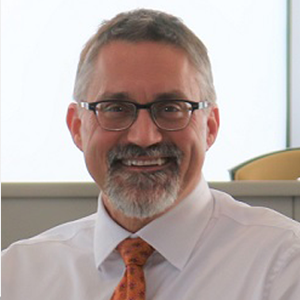
Dr. David Kroll returned to the CU Skaggs School of Pharmacy and Pharmaceutical Sciences in January, 2019, as Professor of Natural Products Pharmacology & Toxicology and Director of Master’s Degree and Certificate Programs in Pharmacy and Pharmaceutical Sciences.
Dr. Kroll began his independent academic career here in the Department of Pharmaceutical Sciences in 1992 as Assistant Professor of Pharmacology & Toxicology, and was promoted to Associate Professor with tenure in 1999. He then conducted sabbatical research during the 2000 calendar year in the Department of Microbiology and Immunology at Duke University in Durham, NC. That year, Dr. Kroll also became the first School of Pharmacy faculty member to be elected to the system-wide CU President’s Teaching Scholar Program.
After returning to CU in 2001, family medical issues led him to relocate to North Carolina where he was Senior Research Pharmacologist in the Natural Products Laboratory at Research Triangle Institute (RTI International) until 2008. Dr. Kroll then became Professor and Chair of the Department of Pharmaceutical Sciences at North Carolina Central University in Durham, an historically Black college/university (HBCU) in the University of North Carolina system, until the end of 2011. Dr. Kroll’s laboratory was continuously funded by research grants from the National Institutes of Health or the American Cancer Society during this time, where his team investigated plants, bacteria and fungi for novel anticancer drugs and dietary supplements that might interact with those drugs.
Dr. Kroll’s interest in public science communication and service to the MS in Medical and Science Journalism program at the University of North Carolina at Chapel Hill from 2004 to 2012 led him to transition into freelance and institutional science writing and public science engagement as Director of Science Communication at the then-new Nature Research Center of the North Carolina Museum of Natural Sciences in Raleigh. His position there from 2012 through 2014 was jointly supported by the Department of English at North Carolina State University, where he taught graduate courses in science and environmental writing and an undergraduate course in the basic principles of news reporting.
Outside of academia, Dr. Kroll was also an early science blogger, with his Terra Sigillata natural products pharmacology blog joining the ScienceBlogs network in 2006, named that year by Nature as one of the top 50 blogs worldwide written by practicing scientists. His blogs have also been hosted by the American Chemical Society and PLOS.
From 2014 to 2018, Dr. Kroll devoted himself exclusively to full-time freelance medical journalism with clients that included Reuters, the American Chemical Society’s Chemical & Engineering News (C&EN), and the Research Triangle’s alt-weekly, INDY Week. Dr. Kroll was also a regular contributor from 2011 to 2018 to the Pharma, Healthcare & Innovation section of Forbes.com. Throughout his 30-plus-year career, Dr. Kroll has connected with general audiences through multiple appearances on the NPR radio show, The People’s Pharmacy with Joe & Terry Graedon, and in his service as an expert source to ABC World News Tonight, NBC News, CNN’s Don Lemon Tonight, The Denver Post, The (Raleigh, NC) News & Observer, The Colorado Sun, and television stations across the US, Canada, and China.
The opportunity to return to the CU Skaggs School of Pharmacy and Pharmaceutical Sciences in 2019 now allows Dr. Kroll to meld his passion for graduate and professional education with the skills he gained in communicating complex drug and medical topics to general audiences. Dr. Kroll’s background in natural products pharmacology contributed to the school’s development of several educational programs for scientists and health care practitioners on medical cannabis and the risks and potential benefits of products made from the medicinal plant.
Throughout his career, Dr. Kroll’s philosophy has been that all scientists and health care professionals have responsibilities not only to their professional communities, but to society at-large, engaging with citizens and other diverse stakeholders to navigate through the complex social and economic issues of health and wellness in global society.
Primary Phone:303-724-4626
Pharmacy and Pharmaceutical Sciences Building
12850 East Montview Boulevard
Office: V20-2119
Aurora, CO 80045
Dr. David Kroll returned to the CU Skaggs School of Pharmacy and Pharmaceutical Sciences in January, 2019, as Professor of Natural Products Pharmacology & Toxicology and Director of Master’s Degree and Certificate Programs in Pharmacy and Pharmaceutical Sciences.
Dr. Kroll began his independent academic career here in the Department of Pharmaceutical Sciences in 1992 as Assistant Professor of Pharmacology & Toxicology, and was promoted to Associate Professor with tenure in 1999. He then conducted sabbatical research during the 2000 calendar year in the Department of Microbiology and Immunology at Duke University in Durham, NC. That year, Dr. Kroll also became the first School of Pharmacy faculty member to be elected to the system-wide CU President’s Teaching Scholar Program.
After returning to CU in 2001, family medical issues led him to relocate to North Carolina where he was Senior Research Pharmacologist in the Natural Products Laboratory at Research Triangle Institute (RTI International) until 2008. Dr. Kroll then became Professor and Chair of the Department of Pharmaceutical Sciences at North Carolina Central University in Durham, an historically Black college/university (HBCU) in the University of North Carolina system, until the end of 2011. Dr. Kroll’s laboratory was continuously funded by research grants from the National Institutes of Health or the American Cancer Society during this time, where his team investigated plants, bacteria and fungi for novel anticancer drugs and dietary supplements that might interact with those drugs.
Dr. Kroll’s interest in public science communication and service to the MS in Medical and Science Journalism program at the University of North Carolina at Chapel Hill from 2004 to 2012 led him to transition into freelance and institutional science writing and public science engagement as Director of Science Communication at the then-new Nature Research Center of the North Carolina Museum of Natural Sciences in Raleigh. His position there from 2012 through 2014 was jointly supported by the Department of English at North Carolina State University, where he taught graduate courses in science and environmental writing and an undergraduate course in the basic principles of news reporting.
Outside of academia, Dr. Kroll was also an early science blogger, with his Terra Sigillata natural products pharmacology blog joining the ScienceBlogs network in 2006, named that year by Nature as one of the top 50 blogs worldwide written by practicing scientists. His blogs have also been hosted by the American Chemical Society and PLOS.
From 2014 to 2018, Dr. Kroll devoted himself exclusively to full-time freelance medical journalism with clients that included Reuters, the American Chemical Society’s Chemical & Engineering News (C&EN), and the Research Triangle’s alt-weekly, INDY Week. Dr. Kroll was also a regular contributor from 2011 to 2018 to the Pharma, Healthcare & Innovation section of Forbes.com. Throughout his 30-plus-year career, Dr. Kroll has connected with general audiences through multiple appearances on the NPR radio show, The People’s Pharmacy with Joe & Terry Graedon, and in his service as an expert source to ABC World News Tonight, NBC News, CNN’s Don Lemon Tonight, The Denver Post, The (Raleigh, NC) News & Observer, The Colorado Sun, and television stations across the US, Canada, and China.
The opportunity to return to the CU Skaggs School of Pharmacy and Pharmaceutical Sciences in 2019 now allows Dr. Kroll to meld his passion for graduate and professional education with the skills he gained in communicating complex drug and medical topics to general audiences. Dr. Kroll’s background in natural products pharmacology contributed to the school’s development of several educational programs for scientists and health care practitioners on medical cannabis and the risks and potential benefits of products made from the medicinal plant.
Throughout his career, Dr. Kroll’s philosophy has been that all scientists and health care professionals have responsibilities not only to their professional communities, but to society at-large, engaging with citizens and other diverse stakeholders to navigate through the complex social and economic issues of health and wellness in global society.
Primary Phone:303-724-4626
Pharmacy and Pharmaceutical Sciences Building
12850 East Montview Boulevard
Office: V20-2119
Aurora, CO 80045
Dr. David Kroll returned to the CU Skaggs School of Pharmacy and Pharmaceutical Sciences in January, 2019, as Professor of Natural Products Pharmacology & Toxicology and Director of Master’s Degree and Certificate Programs in Pharmacy and Pharmaceutical Sciences.
Dr. Kroll began his independent academic career here in the Department of Pharmaceutical Sciences in 1992 as Assistant Professor of Pharmacology & Toxicology, and was promoted to Associate Professor with tenure in 1999. He then conducted sabbatical research during the 2000 calendar year in the Department of Microbiology and Immunology at Duke University in Durham, NC. That year, Dr. Kroll also became the first School of Pharmacy faculty member to be elected to the system-wide CU President’s Teaching Scholar Program.
After returning to CU in 2001, family medical issues led him to relocate to North Carolina where he was Senior Research Pharmacologist in the Natural Products Laboratory at Research Triangle Institute (RTI International) until 2008. Dr. Kroll then became Professor and Chair of the Department of Pharmaceutical Sciences at North Carolina Central University in Durham, an historically Black college/university (HBCU) in the University of North Carolina system, until the end of 2011. Dr. Kroll’s laboratory was continuously funded by research grants from the National Institutes of Health or the American Cancer Society during this time, where his team investigated plants, bacteria and fungi for novel anticancer drugs and dietary supplements that might interact with those drugs.
Dr. Kroll’s interest in public science communication and service to the MS in Medical and Science Journalism program at the University of North Carolina at Chapel Hill from 2004 to 2012 led him to transition into freelance and institutional science writing and public science engagement as Director of Science Communication at the then-new Nature Research Center of the North Carolina Museum of Natural Sciences in Raleigh. His position there from 2012 through 2014 was jointly supported by the Department of English at North Carolina State University, where he taught graduate courses in science and environmental writing and an undergraduate course in the basic principles of news reporting.
Outside of academia, Dr. Kroll was also an early science blogger, with his Terra Sigillata natural products pharmacology blog joining the ScienceBlogs network in 2006, named that year by Nature as one of the top 50 blogs worldwide written by practicing scientists. His blogs have also been hosted by the American Chemical Society and PLOS.
From 2014 to 2018, Dr. Kroll devoted himself exclusively to full-time freelance medical journalism with clients that included Reuters, the American Chemical Society’s Chemical & Engineering News (C&EN), and the Research Triangle’s alt-weekly, INDY Week. Dr. Kroll was also a regular contributor from 2011 to 2018 to the Pharma, Healthcare & Innovation section of Forbes.com. Throughout his 30-plus-year career, Dr. Kroll has connected with general audiences through multiple appearances on the NPR radio show, The People’s Pharmacy with Joe & Terry Graedon, and in his service as an expert source to ABC World News Tonight, NBC News, CNN’s Don Lemon Tonight, The Denver Post, The (Raleigh, NC) News & Observer, The Colorado Sun, and television stations across the US, Canada, and China.
The opportunity to return to the CU Skaggs School of Pharmacy and Pharmaceutical Sciences in 2019 now allows Dr. Kroll to meld his passion for graduate and professional education with the skills he gained in communicating complex drug and medical topics to general audiences. Dr. Kroll’s background in natural products pharmacology contributed to the school’s development of several educational programs for scientists and health care practitioners on medical cannabis and the risks and potential benefits of products made from the medicinal plant.
Throughout his career, Dr. Kroll’s philosophy has been that all scientists and health care professionals have responsibilities not only to their professional communities, but to society at-large, engaging with citizens and other diverse stakeholders to navigate through the complex social and economic issues of health and wellness in global society.