

PhD in Pharmaceutical Sciences

At CU Pharmacy, we’re training scientists who make an impact. Our doctoral program in pharmaceutical sciences is focused on solving problems. In particular, the program covers the formulation, synthesis, manufacturing, development, stability, biophysical analysis, characterization, delivery, and biodistribution of small molecules and biopharmaceutical agents.

Our goals are to provide the best training for students interested in pursuing careers in biopharmaceutical drug development; conduct high-quality research relevant to pharmaceutical biotechnology; offer innovative educational programs; and to support the biopharmaceutical industry, especially in Colorado.

Here, you’ll have access to a wide range of researchers and research equipment; cross-training with chemical engineers; essential non-scientific training in regulatory affairs, business topics and pharmacoeconomics; experience with real world compounds and research and development problems; and interaction with industry scientists.

We have a strong track record of setting our students up for success. Graduates of our program have advanced into successful careers as senior scientists in the pharmaceutical industry and academia. We’re here to make sure you have the training you need to pursue a career in drug and biopharmaceutical discovery, development or clinical optimization.

As part of the CU Anschutz Graduate School, all PhD students in good academic standing are guaranteed financial support.

All regular full-time departmental faculty in the Department of Pharmaceutical Sciences are formal members of the pharmaceutical sciences graduate program and can take students into their laboratories if appropriate.

On average, students in this program earn their PhDs in 5.5 years.

Applications for all doctoral programs are submitted electronically through the Graduate School at the University of Colorado Anschutz Medical CampusAfter signing up for an account, select 'PhD' under the 'Academic Interests' menu and scroll down to 'Skaggs School of Pharmacy and Pharmaceutical Sciences' and select "PhD in Pharmaceutical Sciences."

Application requirements are:

  • A completed Graduate School application and $50.00 application fee (Domestic) $75.00 application fee (International)
  • A baccalaureate degree of arts or science from an accredited college or university with a minimum GPA of 3.0.** One (1) official transcript of all academic work completed to date with awarded baccalaureate degree. University transcripts from other countries must include a transcript evaluation from World Education Services (WES). Applicants who complete a transcript evaluation with WES will have their application fee waived automatically.
  • All applicants for the program should complete a year of study in the following subjects: general chemistry, organic chemistry, calculus, biology, English and physics. In addition, courses in the following subjects are highly recommended to supplement the student's background: physiology, biochemistry, statistics, cell biology, physical chemistry, and computer science.
  • Three (3) letters of recommendation from professors or research supervisors familiar with your aptitude for graduate study

Additionally:

  • The GRE (Graduate Record Examination) is not required but is optional.
  • The TOEFL is required of applicants for whom English is not their first language, Duolingo and IELTS also accepted (more information on this here)
  • Please use 4875 as the Institution Code so that the test results will be sent directly to our institution
  • Under special circumstances, deficiencies in important areas may be made up within the first year after entrance into the program. Normally, admission to the program will be based on an undergraduate GPA of 3.0 or better. However, applicants' recommendations, research experience and additional individual accomplishments will also be considered in the admissions process.

Application for Fall 2026 opens September 1, 2025 and closes December 1, 2025. Applications will not be reviewed until all required materials have been received.

Admission to the program includes financial support via a stipend awarded on a 12-month basis. Based on the rules of the CU Anschutz Graduate School, all PhD students in good academic standing are guaranteed financial support.

Although a priority of the School of Pharmacy is to provide financial support to our graduate students, payment of stipend, tuition and any fees by the School of Pharmacy or by grants, contracts or gifts to the School of Pharmacy faculty is contingent upon satisfactory academic progress (as defined by the graduate school’s Pharmaceutical Sciences Graduate Student Handbook) and completion of required teaching duties, core courses, research rotations, seminars, and examinations (as listed on the progress report form). We also reserve the right to review and adjust our funding policies at any time. All students are expected to work full-time toward program requirements for 12 months of the year.

Required Pharmaceutical Sciences Program Courses

PHSC 7310Fundamentals of Pharmaceutical Sciences3 credits
PHSC 7320Physical Pharmacy and Pharmaceutical Sciences3 credits
PHSC 7400Ethical Issues in Toxicology and Pharmaceutical Sciences1 credit
PHSC 7650Research Rotation in Pharmaceutical Sciences (two required)1 credit
PHSC 7568Seminar in Pharmaceutical Sciences (each semester)1 credit
PHSC 7330Development of Drugs and Biologics2 credits
PHSC 8990Doctoral Thesis≥30 credits

Representative Elective Courses

PHSC 7608Molecular Interactions3 credits
PHSC 7609Biophysics and Spectroscopy2 credits
PHSC 7651/CHEN 5838Pharmaceutical Biotechnology3 credits
PHSC 7345Nanotechnology and Drug Delivery2 credits
PHSC 7353Protein Formulation2 credits
PHSC 7660Liposome-based Drug Delivery2 credits
PHSC 7665Pharmacokinetic Principles and Applications3 credits

Through the pharmaceutical sciences graduate program, our goal is to educate pre-doctoral students to develop independent research careers in pharmaceutical sciences with a basic, clinical or pharmaceutical outcomes emphasis. Upon completion of the graduate program, our students use their training to make a difference in academia, industry or government. The learning objectives for the graduate program are:

  1. Demonstrate a basic knowledge of central concepts in the biomedical sciences.
  2. Understand the current concepts in basic and clinical pharmaceutical sciences.
  3. Read and critically evaluate the scientific literature.
  4. Formulate hypotheses based on current concepts in the field and design, conduct, and interpret their own research projects.
  5. Present research results in peer-reviewed publications and in a dissertation.
  6. Communicate research results effectively through oral presentations at scientific seminars, conferences, and other venues.

School of Pharmacy Graduate Degree Requirements

The following are specific rules approved by the graduate faculty of the School of Pharmacy for graduate studies leading to doctor of philosophy degree in toxicology. All other requirements for these degrees will follow the guidelines of the Graduate School, which can be found in the Pharmaceutical Sciences Graduate Student Handbook. The student carries the major responsibility of meeting the rules of the School of Pharmacy and the Graduate School. Failure to meet the following rules and guidelines may result in delay of graduation. ​
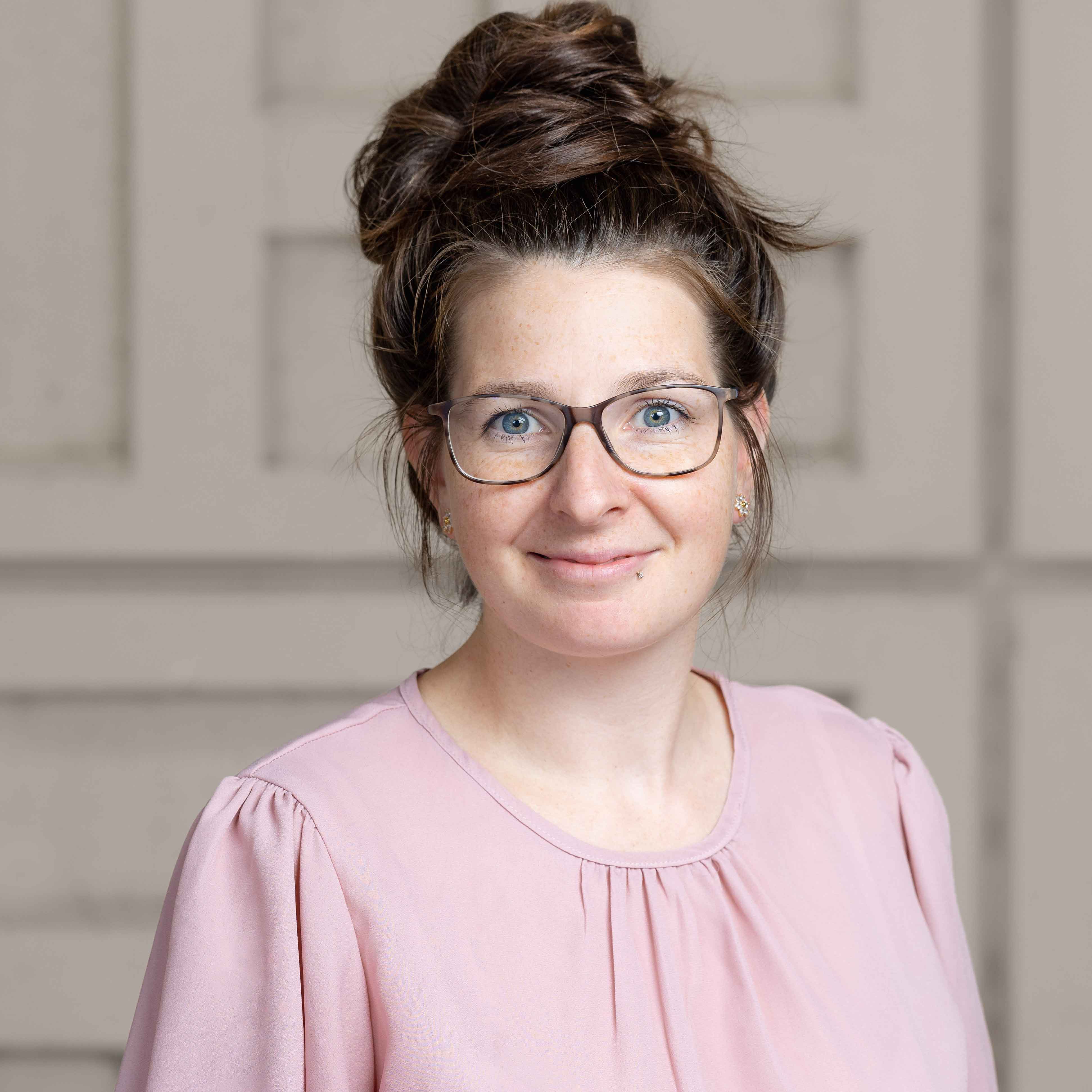
Gina Bouchard Headshot

Gina Bouchard PhD

Assistant Professor
  • Department of Pharmaceutical Sciences
  • Skaggs School of Pharmacy and Pharmaceutical Sciences

Email Address:[email protected]

Mailing Address:
  • CU Anschutz

Pharmacy and Pharmaceutical Sciences Building

12850 East Montview Boulevard

Office: V20-2130

Aurora, CO 80045

The Bouchard lab investigates the role of the tumor microenvironment in treatment failure, specifically its contribution to metabolic radioresistance in cancer. By integrating understudied -omics, including the O-glycoproteome and colocatome, the lab aims to uncover novel therapeutic targets and create catalogs of spatial features that influence disease processes and drug responses. As a first-generation college student, Dr. Bouchard earned a Ph.D. in Radiation Sciences and Biomedical Imaging from Sherbrooke University, Canada. Her research established a pre-clinical model of triple-negative breast cancer, demonstrating the radiation-induced migration and invasion of cancer cells following pre-irradiation of the breast microenvironment. During her postdoctoral training at Stanford University, she elucidated cancer-fibroblast crosstalk in lung adenocarcinoma and developed a quantitative framework to catalog significant colocalizations between cell subpopulations, while also investigating the metabolic reprogramming of the stroma through the O-glycoproteome. Outside of research, Dr. Bouchard enjoys cooking, snowboarding, and spending quality time with family and friends.

Areas of Expertise

  • Biomedical Imaging

Awards

  • 2022-2027 NIH/NCI, K99/R00 Pathway to independence award
  • 2019-2021 Fonds de recherche du Québec - Santé (FRQ-S), Postdoctoral Fellowship Renewal
  • 2017-2019 Stanford Cancer Systems Biology Scholars (CSBS) Program, Postdoctoral Fellowship
  • 2017-2019 Fonds de recherche du Québec - Santé (FRQ-S), Postdoctoral Fellowship
  • 2013-2016 Fonds de recherche du Québec - Santé (FRQ-S), Ph.D. Fellowship
  • 2019 Best Oral Presentation - Travel award, 6th International Conference on Tumor Microenvironment and Cellular Stress: Signaling, Metabolism, Imaging and Therapeutic Targets, Greece
  • 2018 Best Poster Presentation, Systems Approaches to Cancer Biology, Woods Hole, MA
  • 2017 Best Poster Presentation (3rd), Radiology Joint Retreat, Stanford
  • 2016 Dean Honorable Mention, Radiation Sciences and Biomedical Imaging Program, University of
    Sherbrooke
  • 2016 Travel Award, Canadian Cancer Society
  • 2016 Travel Award, Canadian Institutes of Health Research
  • 2015 Scholars in Training Travel Award, Radiation Research Society
  • 2015 Travel Award, Canadian Institutes of Health Research
  • 2015 Fellowship, Foundation Jacques-Gagnon
  • 2014 Best Oral Presentation (3rd), Symposium de la recherche sur le cancer, Université de Sherbrooke
  • 2014 Best Publication, Institute Cancer Research, CIHR
  • 2014 Scholars in Training Travel Award, Radiation Research Society
  • 2013 Dean Honorable Mention, Radiation Sciences and Biomedical Imaging Program, University of
    Sherbrooke
  • 2012 Scholars in Training Travel Award, Radiation Research Society
  • 2011 Radiotherapy Research Centre (CR2) Scholarship, University of Sherbrooke
  • 2011 Best Poster Presentation, Physiology/Pharmacology, undergraduate scientific day, Université de
    Sherbrooke
  • 2011 Best Oral Presentation, young scientist 2011, Prix-Joseph Maisin accorded by the Société de
    radiobiologie de la langue française on 10th CIRFA conference, Anglet, France
  • 2010 Radiotherapy Research Centre (CR2) Scholarship, University of Sherbrooke

Gina Bouchard Headshot

Gina Bouchard PhD

Assistant Professor
  • Department of Pharmaceutical Sciences
  • Skaggs School of Pharmacy and Pharmaceutical Sciences
Mailing Address:
  • CU Anschutz

Pharmacy and Pharmaceutical Sciences Building

12850 East Montview Boulevard

Office: V20-2130

Aurora, CO 80045

The Bouchard lab investigates the role of the tumor microenvironment in treatment failure, specifically its contribution to metabolic radioresistance in cancer. By integrating understudied -omics, including the O-glycoproteome and colocatome, the lab aims to uncover novel therapeutic targets and create catalogs of spatial features that influence disease processes and drug responses. As a first-generation college student, Dr. Bouchard earned a Ph.D. in Radiation Sciences and Biomedical Imaging from Sherbrooke University, Canada. Her research established a pre-clinical model of triple-negative breast cancer, demonstrating the radiation-induced migration and invasion of cancer cells following pre-irradiation of the breast microenvironment. During her postdoctoral training at Stanford University, she elucidated cancer-fibroblast crosstalk in lung adenocarcinoma and developed a quantitative framework to catalog significant colocalizations between cell subpopulations, while also investigating the metabolic reprogramming of the stroma through the O-glycoproteome. Outside of research, Dr. Bouchard enjoys cooking, snowboarding, and spending quality time with family and friends.

Areas of Expertise

  • Biomedical Imaging

Awards

  • 2022-2027 NIH/NCI, K99/R00 Pathway to independence award
  • 2019-2021 Fonds de recherche du Québec - Santé (FRQ-S), Postdoctoral Fellowship Renewal
  • 2017-2019 Stanford Cancer Systems Biology Scholars (CSBS) Program, Postdoctoral Fellowship
  • 2017-2019 Fonds de recherche du Québec - Santé (FRQ-S), Postdoctoral Fellowship
  • 2013-2016 Fonds de recherche du Québec - Santé (FRQ-S), Ph.D. Fellowship
  • 2019 Best Oral Presentation - Travel award, 6th International Conference on Tumor Microenvironment and Cellular Stress: Signaling, Metabolism, Imaging and Therapeutic Targets, Greece
  • 2018 Best Poster Presentation, Systems Approaches to Cancer Biology, Woods Hole, MA
  • 2017 Best Poster Presentation (3rd), Radiology Joint Retreat, Stanford
  • 2016 Dean Honorable Mention, Radiation Sciences and Biomedical Imaging Program, University of
    Sherbrooke
  • 2016 Travel Award, Canadian Cancer Society
  • 2016 Travel Award, Canadian Institutes of Health Research
  • 2015 Scholars in Training Travel Award, Radiation Research Society
  • 2015 Travel Award, Canadian Institutes of Health Research
  • 2015 Fellowship, Foundation Jacques-Gagnon
  • 2014 Best Oral Presentation (3rd), Symposium de la recherche sur le cancer, Université de Sherbrooke
  • 2014 Best Publication, Institute Cancer Research, CIHR
  • 2014 Scholars in Training Travel Award, Radiation Research Society
  • 2013 Dean Honorable Mention, Radiation Sciences and Biomedical Imaging Program, University of
    Sherbrooke
  • 2012 Scholars in Training Travel Award, Radiation Research Society
  • 2011 Radiotherapy Research Centre (CR2) Scholarship, University of Sherbrooke
  • 2011 Best Poster Presentation, Physiology/Pharmacology, undergraduate scientific day, Université de
    Sherbrooke
  • 2011 Best Oral Presentation, young scientist 2011, Prix-Joseph Maisin accorded by the Société de
    radiobiologie de la langue française on 10th CIRFA conference, Anglet, France
  • 2010 Radiotherapy Research Centre (CR2) Scholarship, University of Sherbrooke

Gina Bouchard Headshot

Gina Bouchard PhD

Assistant Professor
  • Department of Pharmaceutical Sciences
  • Skaggs School of Pharmacy and Pharmaceutical Sciences
Mailing Address:
  • CU Anschutz

Pharmacy and Pharmaceutical Sciences Building

12850 East Montview Boulevard

Office: V20-2130

Aurora, CO 80045

The Bouchard lab investigates the role of the tumor microenvironment in treatment failure, specifically its contribution to metabolic radioresistance in cancer. By integrating understudied -omics, including the O-glycoproteome and colocatome, the lab aims to uncover novel therapeutic targets and create catalogs of spatial features that influence disease processes and drug responses. As a first-generation college student, Dr. Bouchard earned a Ph.D. in Radiation Sciences and Biomedical Imaging from Sherbrooke University, Canada. Her research established a pre-clinical model of triple-negative breast cancer, demonstrating the radiation-induced migration and invasion of cancer cells following pre-irradiation of the breast microenvironment. During her postdoctoral training at Stanford University, she elucidated cancer-fibroblast crosstalk in lung adenocarcinoma and developed a quantitative framework to catalog significant colocalizations between cell subpopulations, while also investigating the metabolic reprogramming of the stroma through the O-glycoproteome. Outside of research, Dr. Bouchard enjoys cooking, snowboarding, and spending quality time with family and friends.

Areas of Expertise

  • Biomedical Imaging

Awards

  • 2022-2027 NIH/NCI, K99/R00 Pathway to independence award
  • 2019-2021 Fonds de recherche du Québec - Santé (FRQ-S), Postdoctoral Fellowship Renewal
  • 2017-2019 Stanford Cancer Systems Biology Scholars (CSBS) Program, Postdoctoral Fellowship
  • 2017-2019 Fonds de recherche du Québec - Santé (FRQ-S), Postdoctoral Fellowship
  • 2013-2016 Fonds de recherche du Québec - Santé (FRQ-S), Ph.D. Fellowship
  • 2019 Best Oral Presentation - Travel award, 6th International Conference on Tumor Microenvironment and Cellular Stress: Signaling, Metabolism, Imaging and Therapeutic Targets, Greece
  • 2018 Best Poster Presentation, Systems Approaches to Cancer Biology, Woods Hole, MA
  • 2017 Best Poster Presentation (3rd), Radiology Joint Retreat, Stanford
  • 2016 Dean Honorable Mention, Radiation Sciences and Biomedical Imaging Program, University of
    Sherbrooke
  • 2016 Travel Award, Canadian Cancer Society
  • 2016 Travel Award, Canadian Institutes of Health Research
  • 2015 Scholars in Training Travel Award, Radiation Research Society
  • 2015 Travel Award, Canadian Institutes of Health Research
  • 2015 Fellowship, Foundation Jacques-Gagnon
  • 2014 Best Oral Presentation (3rd), Symposium de la recherche sur le cancer, Université de Sherbrooke
  • 2014 Best Publication, Institute Cancer Research, CIHR
  • 2014 Scholars in Training Travel Award, Radiation Research Society
  • 2013 Dean Honorable Mention, Radiation Sciences and Biomedical Imaging Program, University of
    Sherbrooke
  • 2012 Scholars in Training Travel Award, Radiation Research Society
  • 2011 Radiotherapy Research Centre (CR2) Scholarship, University of Sherbrooke
  • 2011 Best Poster Presentation, Physiology/Pharmacology, undergraduate scientific day, Université de
    Sherbrooke
  • 2011 Best Oral Presentation, young scientist 2011, Prix-Joseph Maisin accorded by the Société de
    radiobiologie de la langue française on 10th CIRFA conference, Anglet, France
  • 2010 Radiotherapy Research Centre (CR2) Scholarship, University of Sherbrooke

CMS Login